Hey Teacher Friend!
If you’re a teacher who tenses up every time it’s time for partner work or group work, you’re not imagining things.
For so many of us, those moments come with hurt feelings, awkward pauses, bickering, or behavior issues that derail the lesson before it even begins. And while we often focus on the task, the directions, or the grouping strategy, there’s a deeper layer at play that doesn’t always get named.
It’s student-to-student relationships.
Let’s explore why peer-to-peer relationships matter so much for classroom calm and behavior—and why they’re often the missing piece behind stressful group work.
Partner Work Isn’t Just Academic—It’s Social
On the surface, partner work looks like an instructional choice.
But for students, it’s also a social moment.
When students don’t feel safe, included, or connected to their peers, even the simplest directions—“Turn and talk” or “Find a partner”—can create anxiety, avoidance, or conflict.
That’s when we see:
-
Hurt feelings when students feel left out
-
Power struggles or rude comments
-
Students shutting down or acting out
-
Teachers stepping in to manage emotions instead of teaching
These behaviors aren’t random. They’re often signals that peer relationships need support.
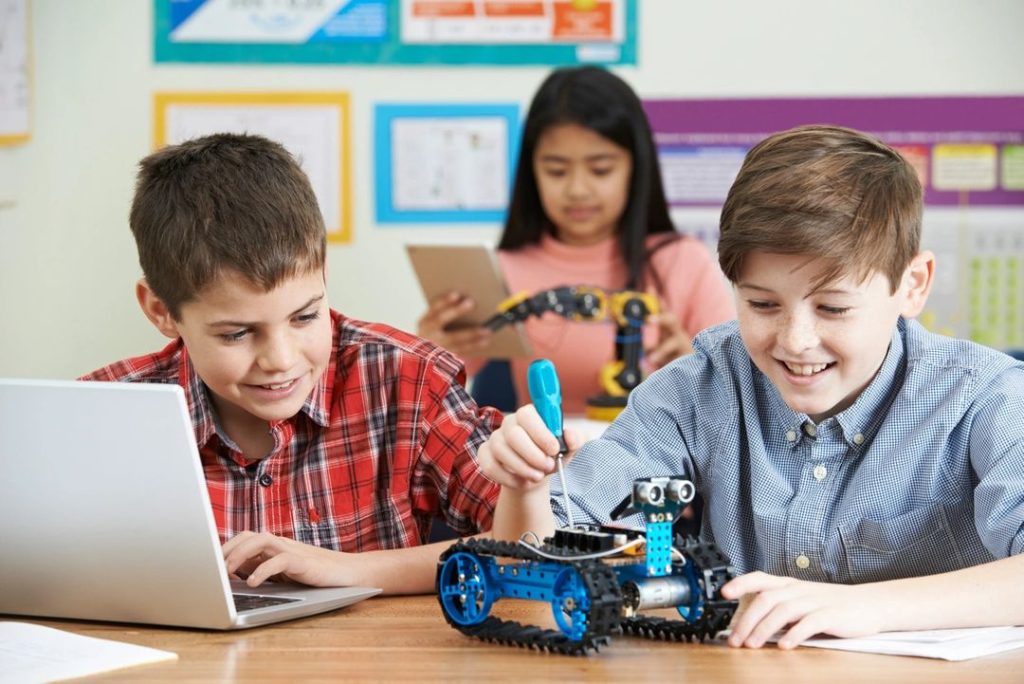
Why We Focus on Teacher–Student Relationships (and Miss This Part)
Most of us were trained to prioritize teacher–student relationships—and that work absolutely matters. We regulate ourselves, build trust, and create safety through our presence.
But what often gets overlooked is how much students rely on each other throughout the day.
Peer-to-peer relationships quietly shape:
-
How smoothly transitions go
-
How students handle group work
-
How safe it feels to participate
-
How much emotional labor falls on the teacher
When this layer of classroom culture isn’t intentionally supported, behavior issues tend to show up more often—especially during collaborative learning.
What Strong Student Relationships Actually Do
When students feel a sense of belonging with their classmates (not best friendship—just basic connection), several things shift:
1. The Classroom Runs More Smoothly
There’s less bickering, less social tension, and fewer emotional interruptions.
2. Partner Work Feels Safer
Students are more willing to work with different classmates without fear of rejection or embarrassment.
3. Behavior Improves Preventatively
Instead of constantly reacting to problems, the environment itself helps prevent them.
This is why peer-to-peer relationships are a behavior support, not an extra SEL add-on.

Small Teacher Moves That Support Peer Relationships
Here are a few high-level ideas that make a real difference:
-
Prep students before partner work
A simple reminder like, “I’ll be watching to make sure everyone has a partner,” sets the tone and reduces stress. -
Notice and name inclusion
A quick acknowledgment when a student invites someone in reinforces belonging without making it a big production. -
Be flexible when possible
If exact group numbers don’t matter, loosening that expectation can prevent unnecessary hurt feelings.
These aren’t activities. They’re small shifts that shape classroom culture over time.
This Is About Establishing a Caring Classroom Culture
This all connects back to one of the most important parts of my RESET Framework: Establishing a Caring Classroom Culture.
When peer-to-peer relationships are supported:
-
Students feel safer
-
Behavior becomes more regulated
-
Teaching feels lighter
And you’re not carrying the full emotional load on your own.
Peer-to-Peer
relationships are really
behavior
support.
How Kindness and Peer-to-Peer Relationships Are Connected
I often hear from many teachers that they wish their students were more kind to each other. Often they’ll lead a fun kindness lesson, but then find it doesn’t really help the issue.
Thing is, kindness doesn’t live in isolation—it shows up inside peer-to-peer relationships.
When students don’t feel connected to their classmates, kindness becomes fragile. That’s often when we see rude comments, exclusion, or unkind reactions—especially during group work.
In a classroom where peer relationships are supported, kindness looks different.
It’s not performative.
It’s not forced.
And it doesn’t depend on an activity.
Kindness sticks when students feel safe and connected to each other, not just when they understand the concept. I go more in depth in episode 109. Be sure to have a listen!
When peer-to-peer relationships are part of the classroom culture, kindness becomes the natural outcome—not another behavior to manage.
Get Inspired!
If this resonates, I would love to share more!
I want you to feel supported, not overwhelmed.
You might also find support through:
-
The RESET Roadmap (free): https://theinspiredclassroom.com/roadmap
-
The Classroom RESET: https://theinspiredclassroom.com/reset
-
Our teacher community: https://theinspiredclassroom.com/community
I hope this inspired you today!

Get in on the Experience!
The Classroom Reset
The Classroom Reset is your fresh (RE)start—designed to bring calm, connection, and creativity back to your classroom in just 6 weeks!
This teacher-centered RESET course is designed to help you improve student behavior and take care of your own well-being—without adding more to your plate. Through the proven RESET Framework, you’ll rebuild classroom culture, re-engage students through creative strategies, and strengthen SEL so that teaching feels calm, connected and joyful again! With Personalized 1:1 Support and a group of fellow educators walking alongside you—you’ll finally feel confident, calm, and in control again. This isn’t just another training. It’s a true RESET Experience: for your students, your classroom and YOU.