Hey Teacher Friend!
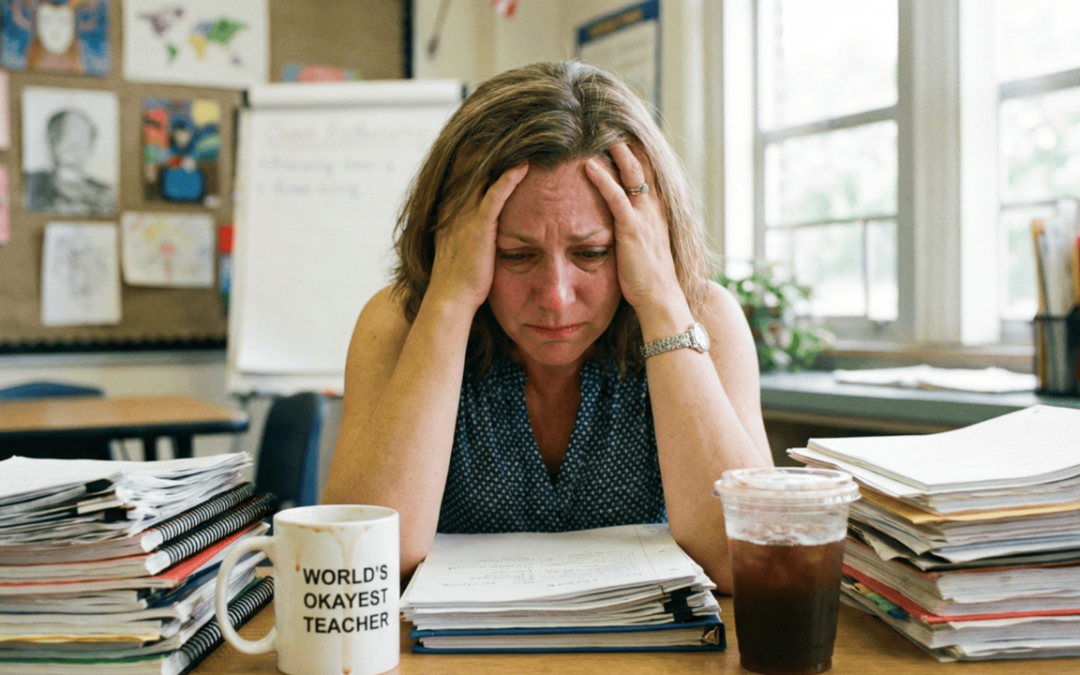
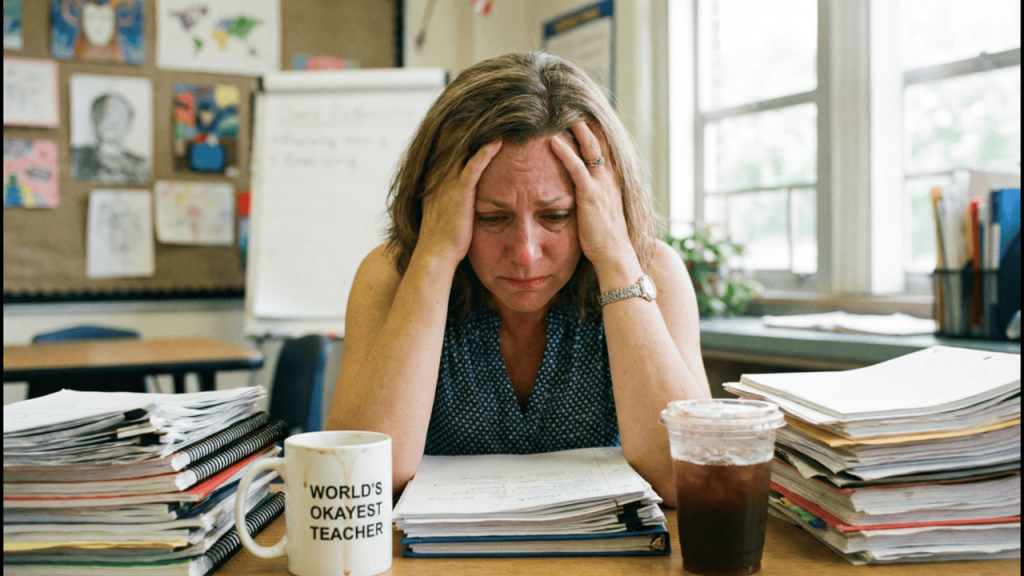
Feeling the End of Year Teacher Burnout?
After months of managing student behavior, supporting struggling learners, handling constant interruptions, and carrying the emotional weight of everyone around us, it makes sense that June can feel less like a celebration and more like a collapse. In fact, some teachers hit summer break and immediately face plant into the couch wondering if they even want to teach anymore.
If that’s you, I want you to know something:
I know you’re a good teacher, but it doesn’t feel like it right now.
The truth is, end-of-year teacher burnout doesn’t mean you’re failing. More often, it means you’ve been carrying too much for too long without enough recovery, support, or space to breathe.
Why Summer Doesn’t Always Feel Relaxing for Teachers
Most teachers imagine summer break as the magical finish line that will suddenly fix everything. However, when we’ve spent the school year in survival mode, our nervous systems don’t automatically switch into peace and relaxation overnight.
Instead, many of us:
- crash emotionally
- overthink next year immediately
- replay hard moments from the year
- start panic-planning classroom changes
- or completely numb out because we’re so overwhelmed
Meanwhile, the pressure to “use summer wisely” can make recovery even harder.
That’s why I believe teachers don’t need more guilt heading into June.
We need a softer landing.
First – A Brain Dump
It’s important that before you get too far into the summer, you do a braindump of all the things that are cluttering up your mind. Everything from activities that worked (and didn’t) to new ways you want to set up organization and EVERYthing in between.
So, take 30-60 minutes and get it ALL out on paper.
Then, set it aside for later.
Later, you can look at it with fresh eyes and a clear mind.
Which brings us to the Two-Week Rule!
Teachers need a
softer landing
into summer.
My Two-Week Rule for the Start of Summer
Instead of immediately reorganizing your classroom, rewriting curriculum, or making major teaching decisions while exhausted, I encourage you to pause first – for TWO WEEKS.
So, after you’ve taken some time to write down all your thoughts and ideas:
- routines that worked
- behavior challenges you want to get ahead of
- classroom systems you think may work better
- supplies you need to start the year
- lessons learned
Let it sit for two weeks.
Giving yourself space before jumping into planning mode allows your brain and body time to recover. More importantly, it helps you make decisions from clarity instead of exhaustion.
Because tired teacher brains often interpret everything as failure.
And what do you do in those two weeks?
REST!

The Difference Between Intentional Rest and Avoidance
There’s absolutely nothing wrong with binge-watching a show, taking naps, or doing less for a while. Honestly, many of us need that. Still, there’s a difference between resting to recover and numbing ourselves because we’re emotionally depleted.
One fills you back up.
The other simply delays the crash.
As teachers, we often wait until summer break to finally notice how exhausted we really are. Yet true recovery usually starts when we give ourselves permission to slow down without immediately trying to “fix” everything.
What can that look like?
- time outside
- creative hobbies
- movement
- reading for fun
- connection with people who make you laugh
- quiet mornings
- doing absolutely nothing without guilt
You Don’t Have to Spend Summer in “Teacher Mode”
One thing I really want teachers to hear is this:
You do not need to spend your entire summer buried in professional development books or panic-planning for August.
At the same time, staying gently connected to encouragement and support can make a huge difference.
That’s why I hope this podcast becomes just enough school talk to help you feel grounded without pulling you back into overwhelm.
Think:
- morning walks
- beach days
- folding laundry
- coffee on the porch
- quiet drives with something encouraging in your ears
Sometimes we don’t need more information.
We just need support.
If you’re ending the school year feeling exhausted, discouraged, or unsure whether teaching still fits you, this episode will remind you that you’re not starting over — you’re coming back.

Ready for a Deeper RESET?
If this school year left you feeling like you were constantly surviving instead of actually teaching, The Classroom RESET was created for you.
Inside The Classroom RESET, we focus on more than quick classroom strategies. Together, we work on building calm, connection, predictability, and creativity through the RESET Framework so teaching feels sustainable again. Because while small tips can help temporarily, lasting change happens when we strengthen the systems, culture, and support underneath everything else. You don’t need to become a completely different teacher this summer. Instead, you need the space and support to reconnect with the teacher you already are underneath the exhaustion. Your classroom can become a place of calm, connection, and creativity — and you don’t have to figure it all out alone.
Learn more about The Classroom RESET here:
theinspiredclassroom.com/reset
Get in on the Experience!
The Classroom Reset
The Classroom Reset is your fresh (RE)start—designed to bring calm, connection, and creativity back to your classroom in just 6 weeks!
This teacher-centered RESET course is designed to help you improve student behavior and take care of your own well-being—without adding more to your plate. Through the proven RESET Framework, you’ll rebuild classroom culture, re-engage students through creative strategies, and strengthen SEL so that teaching feels calm, connected and joyful again! With Personalized 1:1 Support and a group of fellow educators walking alongside you—you’ll finally feel confident, calm, and in control again. This isn’t just another training. It’s a true RESET Experience: for your students, your classroom and YOU.