
Hey Teacher Friend!
This time of year, SPRING, can feel like a LOT.
Testing season, parent conferences, observations, behavior challenges—and somehow, we’re expected to keep everything running smoothly while holding it all together.
If you’ve been feeling the pressure building and wondering, “Why does this feel so overwhelming right now?”—you’re not alone.
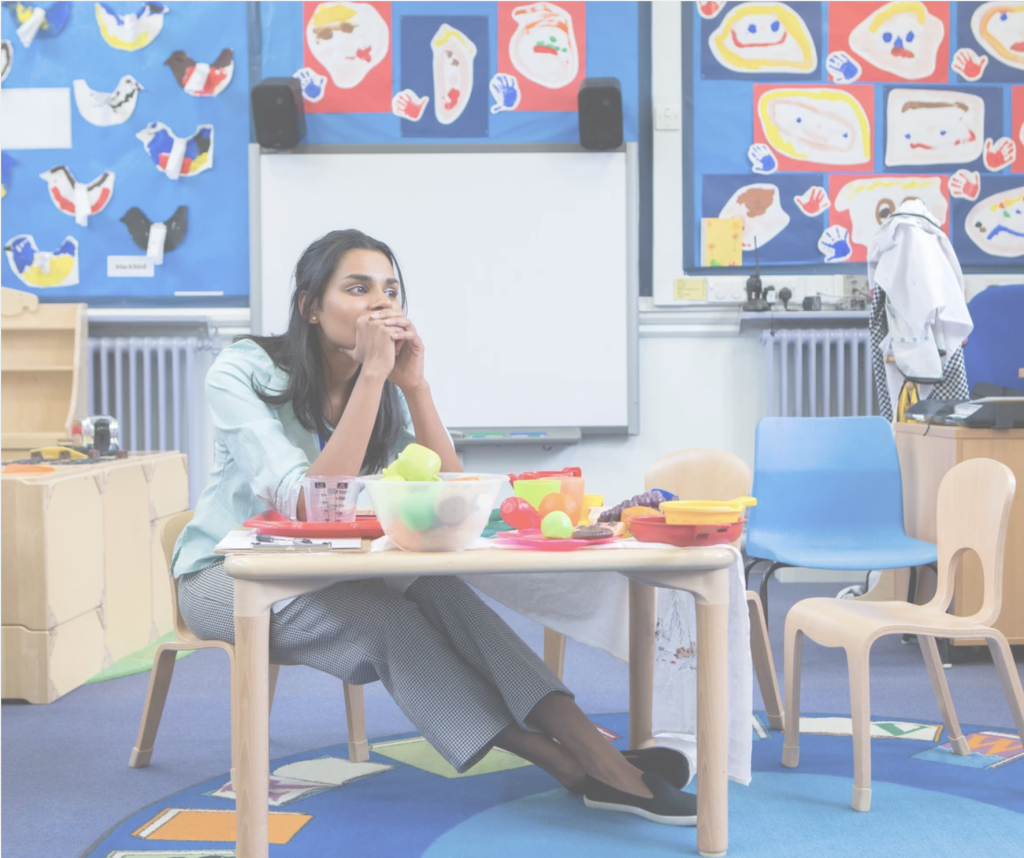
And more importantly… it’s not because you’re not doing enough.
Teacher burnout doesn’t come from a lack of effort. It comes from carrying too much, for too long, without enough support or control.
So today, let’s talk about what’s really going on—and how we can start to take back control in simple, meaningful ways.
What’s Actually Causing Teacher Burnout?
It’s Not Just Being Tired
We often think burnout means exhaustion. But in reality, it’s deeper than that.
Burnout happens when:
- You’re constantly reacting instead of leading
- You feel responsible for everything (academics, behaviors, emotions… all of it)
- You don’t feel supported
- And you’re not in control of your day
That combination? It can be too much.
And when the pressure is coming from every direction—admin expectations, testing schedules, student needs, parents—it’s no wonder so many teachers feel like they’re barely keeping their heads above water.

The Trap That Keeps Teachers Stuck
Here’s what I see happen over and over again (and maybe you’ll recognize yourself here too):
When things feel out of control, we try to…
- Work harder
- Do more
- Fix everything
- Carry it all
Or sometimes… we wait. We wait for someone else to step in, to support us, to fix the system.
But the truth is—when we rely on systems that aren’t consistent, our classrooms start to feel unstable too.
That’s the burnout trap.
The Mindset Shift That Changes Everything
You Can’t Control Everything… But You Can Control This
There are things in teaching that we simply can’t control:
- Testing schedules
- Parent involvement
- Administrative decisions
However, there are also things we can control—and this is where the shift begins.
We can control:
- The culture inside our classroom
- The structure of our day
- How students engage with learning
- The expectations we consistently reinforce
This is where your power is.
When we shift our focus back to what’s within our control, something starts to change. The pressure doesn’t disappear—but it becomes more manageable.
And even better? Your classroom starts to feel calmer, more connected, and more aligned with the kind of teacher you want to be.
You can’t control
everything,
but…
3 Simple Ways to Start Taking Back Control
You don’t need to overhaul everything to feel better. In fact, the most powerful shifts often happen right inside your classroom—within the things you already do every day.
Let’s bring it back to three areas that give you the most control: classroom culture, supporting students’ SEL, and engagement.

1. Rebuild Your Classroom Culture with Intention
When everything feels overwhelming, it’s easy to jump straight into content and try to “keep up.”
However, if the culture in your classroom feels off—even just a little—you’ll end up spending more time managing behaviors than actually teaching.
Instead, take a step back and focus on connection first.
Start by asking yourself:
- Do my students feel like they belong here?
- Do they feel safe to participate, share, and take risks?
Even small, intentional moments of connection can shift the entire tone of your classroom. This could look like:
- Quick partner shares
- Morning connection routines
- Building in time for students to be seen and heard
When students feel connected, they’re far more likely to cooperate, engage, and support one another—which naturally reduces the pressure on you.

2. Support Your Students’ SEL (Without Becoming Their Therapist)
Let’s be real—our students are carrying a lot. And when their emotions show up in the classroom, it can feel like a 50-foot tidal wave.
However, you do not need to implement an entire SEL curriculum.
Instead, you can embed simple social-emotional supports into your everyday teaching so students learn how to manage themselves more effectively.
This might include:
- Giving students language to express their feelings
- Building in quick reflection moments
- Creating opportunities for empathy and teamwork
These don’t have to be big, time-consuming lessons. In fact, the most effective SEL happens in small, consistent ways throughout your day.
When students begin to develop these skills, you’ll notice:
- Fewer disruptions
- More cooperation
- A stronger sense of community
And that means you’re no longer carrying everything on your own.

3. Shift Engagement to Pull Students In
When students are not engaged in their learning, their behavior ramps up. This is frustrating and can contribute to the feeling of burnout.
You end up managing behavior while delivering content and keeping students focused—and it’s exhausting.
Instead, let’s shift the energy.
When students are actively engaged in their learning, everything changes:
- Behavior improves
- Attention increases
- And you don’t feel like you’re pulling all the weight
This doesn’t mean reinventing your entire lesson plan. It can be as simple as:
- Adding movement
- Using creative or arts-based approaches
- Letting students interact more with the content and each other
When students are part of the learning process—not just passive participants—you create a classroom that feels more alive, more connected, and honestly… more enjoyable to be in.
You Don’t Have to Stay Stuck Here
If you’ve been feeling overwhelmed, stretched thin, or like you’re constantly behind… I want you to hear this:
You are not failing.
You’re responding to an unsustainable level of pressure.
But there is a way to feel more in control again—and it doesn’t require you to do more.
It starts with small, intentional shifts that bring you back to what matters most: connection, creativity, and a classroom that feels good to be in.
I hope this inspired you today.

Let’s Step Off the Path to Teacher Burnout
If you’re tired of feeling like the pressure is always on… like you’re constantly reacting, managing, and just trying to make it through the day—I want to support you.
Inside The Classroom Reset, I help teachers step out of that burnout cycle and back into a classroom that feels calm, connected, and actually enjoyable again.
Together, we focus on the things that truly make a difference:
- Building a classroom culture where students feel a sense of belonging
- Supporting students’ social-emotional needs in simple, realistic ways
- Creating engaging learning experiences that shift the energy in your room
Because taking back control isn’t about doing more or handling the pressure better—it’s about changing what’s happening inside your classroom so the pressure doesn’t hit the same way.
And when that shift happens?
You’re not just getting through the day anymore…
You’re teaching in a way that feels aligned, effective, and sustainable again.
Get in on the Experience!
The Classroom Reset
The Classroom Reset is your fresh (RE)start—designed to bring calm, connection, and creativity back to your classroom in just 6 weeks!
This teacher-centered RESET course is designed to help you improve student behavior and take care of your own well-being—without adding more to your plate. Through the proven RESET Framework, you’ll rebuild classroom culture, re-engage students through creative strategies, and strengthen SEL so that teaching feels calm, connected and joyful again! With Personalized 1:1 Support and a group of fellow educators walking alongside you—you’ll finally feel confident, calm, and in control again. This isn’t just another training. It’s a true RESET Experience: for your students, your classroom and YOU.