Hey Teacher Friend!
Recently, I had a conversation with a kindergarten teacher who shared something that stopped me in my tracks.
Her students spend 40 minutes a day on iPads — and less time than that at recess.
As she talked about the limited play in the classroom, she also mentioned something else: behavior has been harder. More conflict. More frustration. More dysregulation.
And honestly? I see the ripple effects in upper elementary too.
Students struggle to resolve conflicts independently. Some don’t know what to do at recess. Others seem anxious, easily overwhelmed, or constantly seeking stimulation.
This is hard. And it makes sense.
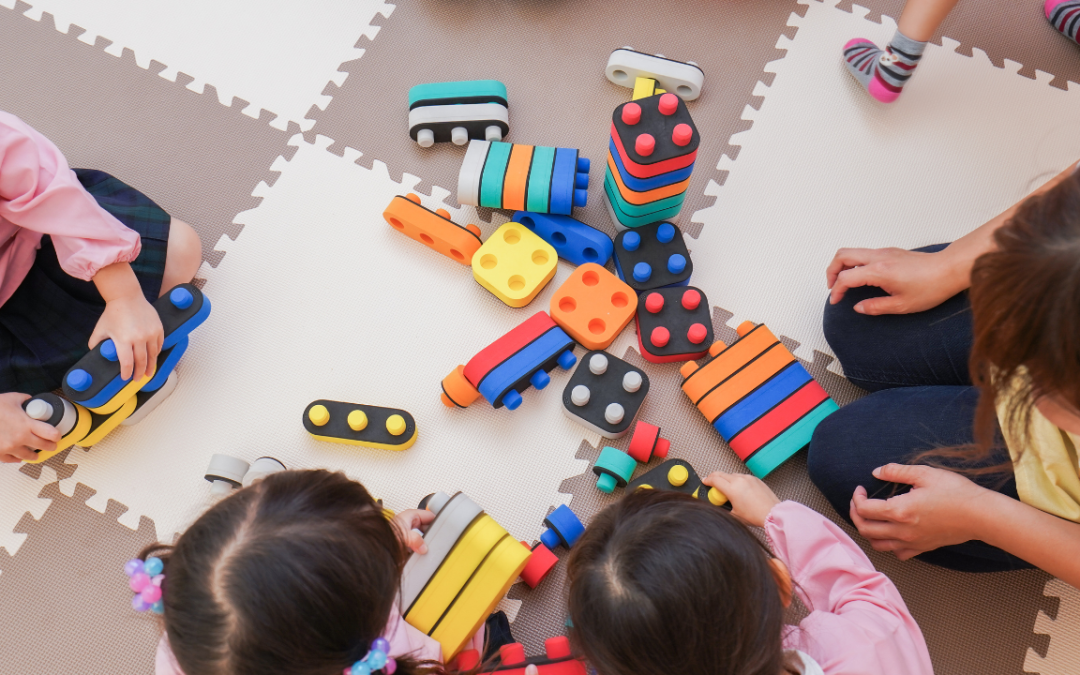
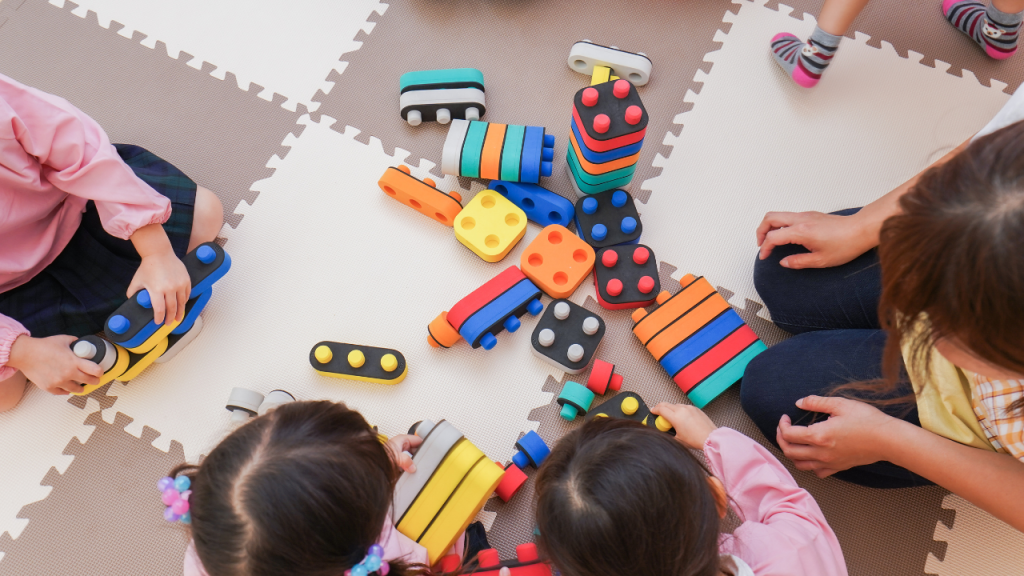
When play in the classroom decreases, opportunities for practicing emotional regulation, problem-solving, and cooperation decrease too. Eventually, those missing skills show up as student behavior challenges.
But here’s the hopeful part: we can shift this.
Why Play in the Classroom Supports Student Behavior
Play isn’t “extra.” It’s not a reward. And it certainly isn’t wasted time.
In fact, play builds the exact skills we say we want:
-
Self-regulation
-
Conflict resolution
-
Flexible thinking
-
Communication
-
Cooperation
When students are engaged and invested, they are far less likely to disrupt learning. Engagement is behavior prevention.
Therefore, instead of asking, “How do I fix this behavior?” we might ask:
“Where can I increase engagement?”
The good news? You don’t have to throw out your curriculum to make this happen.

3 Simple Ways to Bring Play Back (Without Breaking the Rules)
You may not have full thematic freedom or hours for centers. However, you likely have more influence inside your classroom than you think.
Here are three realistic shifts that can immediately improve student behavior.
1. Add Short Regulation Play Bursts
Sometimes, five intentional minutes can prevent forty reactive ones.
Consider:
-
Quick partner challenges
-
Call-and-response rhythm games
-
Movement transitions between subjects
-
A collaborative sketch or build task
These moments regulate the nervous system. As a result, focus improves and behavior issues decrease.
Even older students benefit from this. Play evolves — it doesn’t disappear.
2. Upgrade One Lesson Per Week
Instead of overhauling everything, start small.
Choose one lesson and make it more interactive:
-
Turn reading into a role-play
-
Replace a worksheet with a mini STEM challenge
-
Add drawing, music, or movement to reinforce a concept
When learning feels meaningful, students stop looking for stimulation in disruption.
On the days learning is thematic, hands-on, or creative, behavior almost always improves. I’ve seen it. You probably have too.
3. Build Micro-Opportunities for Social Practice
Students need structured practice working together.
Try:
-
Short partner tasks with defined roles
-
Ten-minute collaborative problem-solving blocks
-
A weekly class challenge
-
Quick reflection journals focused on teamwork
Rather than correcting conflict after it happens, we can embed opportunities to practice social skills inside our lessons.
That shift alone can change the tone of a classroom.
When
Play
Disappears,
Student Behavior
Changes!
If Student Behavior Feels Off, Start Here
If you are exhausted from managing disruptions all day, it may not be about stricter systems.
It may be about connection.
Play in the classroom builds connection while also improving engagement. And that reduces behavior problems.
You don’t have to completely redesign your teaching to see change. Start with one small shift this week. Add five minutes of movement. Upgrade one lesson. Build one collaborative task.
Small changes can create calmer classrooms.
You deserve a classroom that feels joyful and manageable again.
If you’re ready for a step-by-step plan to prevent behavior issues through engagement and connection, I’d love to support you through my RESET Framework. You can download the free RESET Roadmap guide here:
👉 https://theinspiredclassroom.com/roadmap
If you want to hear the full conversation and the deeper strategies behind these ideas, I share more inside this week’s podcast episode.
I hope this inspired you today.

Get in on the Experience!
The Classroom Reset
The Classroom Reset is your fresh (RE)start—designed to bring calm, connection, and creativity back to your classroom in just 6 weeks!
This teacher-centered RESET course is designed to help you improve student behavior and take care of your own well-being—without adding more to your plate. Through the proven RESET Framework, you’ll rebuild classroom culture, re-engage students through creative strategies, and strengthen SEL so that teaching feels calm, connected and joyful again! With Personalized 1:1 Support and a group of fellow educators walking alongside you—you’ll finally feel confident, calm, and in control again. This isn’t just another training. It’s a true RESET Experience: for your students, your classroom and YOU.