
Hey Teacher Friend!
Do you ever feel like you’re spending more time managing behavior than actually teaching?
One minute you’re starting a lesson…
…and the next, you’re redirecting someone spinning in their chair, reminding another to sit down, and wondering how someone ended up under a desk.

By the end of the day, you’re exhausted—not because teaching is hard, but because reacting all day is exhausting.
If that sounds familiar, you’re not alone. And more importantly, you’re not doing anything wrong.
But something does need to shift.
The Real Reason You Feel Stuck in “Referee Mode”
When student behavior constantly interrupts instruction, it’s easy to think:
-
“I need better classroom management.”
-
“I need stronger consequences.”
-
“I need to stay on top of this more.”
However, here’s the truth I’ve seen over and over again:
Reactive behavior management doesn’t solve the root problem.
It only addresses what’s happening in the moment.
In other words, it keeps you in referee mode—blowing the whistle, stopping play, and trying to regain control.
But teaching was never meant to feel like officiating a chaotic game all day long.
So what’s the alternative?
Referee vs. Coach: A Simple but Powerful Shift
Let’s think about this differently.
A referee reacts to what’s happening on the field.
A coach, on the other hand, prepares players before the game even begins.
That’s the shift we want in our classrooms.
Instead of asking:
“How do I stop this behavior right now?”
We begin asking:
“What would prevent this behavior from happening in the first place?”
This is where everything starts to change.
3 Classroom Shifts That Improve Behavior at the Root
If you want to feel more like a teacher and less like a referee, there are three key areas to focus on. These come from my RESET framework, and they work together to support real, lasting change.

1. Establish a Caring Classroom Culture
First, behavior improves when students feel safe, seen, and connected.
A caring classroom culture isn’t just about having rules posted on the wall. Instead, it’s about creating an environment where students truly feel like they belong.
That means:
-
Building genuine relationships
-
Creating trust between students and teacher
-
Encouraging positive peer connections
Because when students feel connected, they are far less likely to disrupt the environment.
At that point, it’s no longer about “follow the rules or else.”
It becomes:
“This is how we treat each other here.”

2. Support Students’ Social-Emotional Skills
Next, many behavior challenges aren’t defiance—they’re skill gaps.
Students don’t automatically know how to:
-
Regulate frustration
-
Work through conflict
-
Handle mistakes
-
Express emotions appropriately
And yet, we often expect them to.
When we intentionally support social-emotional learning, students begin to develop the tools they need to manage themselves.
This is where SEAL (Social-Emotional Artistic Learning) comes in.
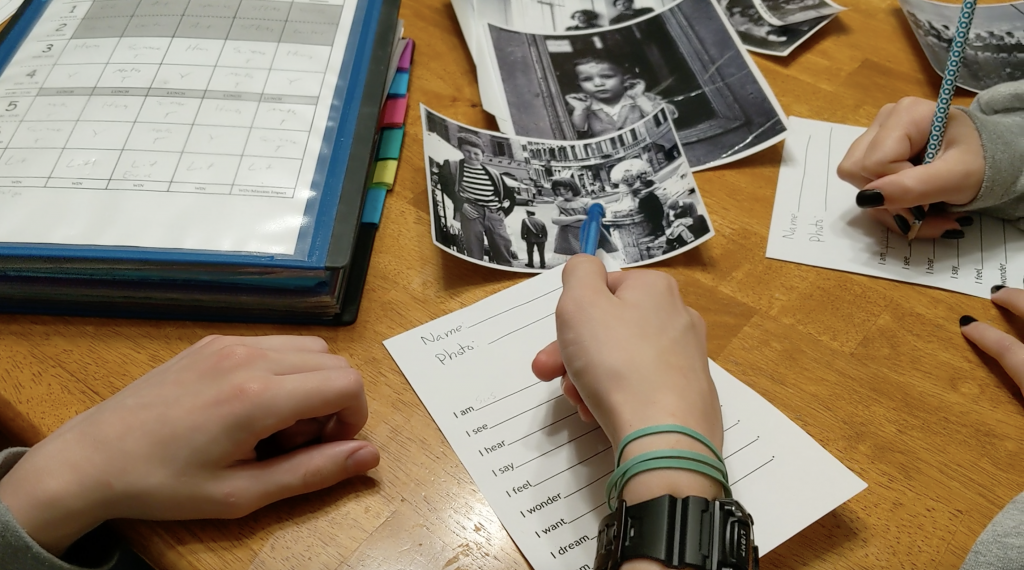
Rather than adding more to your plate, SEAL integrates these skills into what you’re already doing—helping students build emotional awareness and self-regulation in a natural, engaging way.
As a result, behavior improves because students actually know how to behave.
3. Engage Students in Meaningful Learning
Finally, engagement plays a bigger role in behavior than we often realize.
When students are:
-
Actively participating
-
Moving and creating
-
Discussing and collaborating
They are far less likely to disengage or act out.
On the flip side, when students feel bored or disconnected, they will find ways to meet their needs—often through behavior that interrupts your lesson.
That’s why engaging, student-centered learning is essential.
In particular, arts integration can be a powerful tool here. It allows students to connect more deeply with content while staying actively involved in the learning process.
And when students are truly engaged, behavior issues often decrease naturally.
A Small Reflection to Try Today
Before you think about changing everything, start with one simple question:
Which of these areas might need the most support in my classroom right now?
-
Connection (classroom culture)
-
Emotional skills (SEL support)
-
Engagement (student involvement)
Even a small shift in one of these areas can make a big difference.
Small shifts
make a
BIG
difference.
You Don’t Have to Keep Refereeing
If teaching has been feeling heavy lately, I want you to hear this:
You are not failing.
You are responding to real challenges in today’s classroom.
However, when we shift from reacting to behavior…
to building the systems that prevent it…
Everything begins to feel lighter.
Teaching becomes more manageable.
Your classroom feels calmer.
And you finally get to do what you came here to do—teach.
You don’t need to referee harder.
You need to RESET the field.
And when you do, everything starts to shift—for your students and for you.
I hope this inspired you today.

Let’s Drop the Referee Hat
If you’re tired of feeling like you have to referee every moment of your day, I want to support you!
Inside The Classroom RESET, I support teachers in stepping out of constant behavior management and into a classroom that feels calm, connected, and actually enjoyable again. Together, we focus on building the kind of classroom culture, social-emotional support, and engaging learning experiences that prevent behavior challenges instead of constantly reacting to them.
Because a classroom reset isn’t about managing behavior better—it’s about changing the game entirely so you’re no longer stuck blowing the whistle all day.
And when that shift happens?
You finally get to feel like a teacher again.
Get in on the Experience!
The Classroom Reset
The Classroom Reset is your fresh (RE)start—designed to bring calm, connection, and creativity back to your classroom in just 6 weeks!
This teacher-centered RESET course is designed to help you improve student behavior and take care of your own well-being—without adding more to your plate. Through the proven RESET Framework, you’ll rebuild classroom culture, re-engage students through creative strategies, and strengthen SEL so that teaching feels calm, connected and joyful again! With Personalized 1:1 Support and a group of fellow educators walking alongside you—you’ll finally feel confident, calm, and in control again. This isn’t just another training. It’s a true RESET Experience: for your students, your classroom and YOU.