Hey Teacher Friend!
If you’re an elementary teacher, chances are this sentence will hit home:
Disruptive student behavior is the number one thing teachers tell me they’re struggling with.
Sometimes it’s big, explosive behaviors.
Sometimes it’s the constant, low-level disruptions that never seem to stop.
And sometimes…it’s just one or two students who make every single day feel heavier than it needs to be.
If behaviors are disrupting your lessons, draining your energy, or making you question your classroom management strategies, you are not alone. And more importantly—you’re not doing anything wrong.
Straight from my Behavior Blueprint, let me share with you the 5 practical steps to help you navigate disruptive student behavior with more confidence and calm. Today, I want to share the big ideas behind those steps to support you right now—and gently invite you to go deeper by listening to the full episode.
Why Student Behavior Feels So Hard Right Now
Student behaviors—whether extreme or just constant—do more than interrupt learning. They:
-
Disrupt the flow of your lessons
-
Shift your attention away from other students
-
Chip away at your patience and joy
And here’s the part we don’t always say out loud:
It’s exhausting to feel like nothing you try is working.
That’s exactly why these 5 steps matter.

The 5 Steps to Navigate Disruptive Student Behavior
These steps aren’t about perfection. They’re about giving you a framework to lean on when things feel messy.
Step 1: Assess the Situation Before You React
Before jumping into consequences or corrections, pause and assess what’s really happening.
Ask yourself:
-
Is this boredom?
-
Frustration?
-
Attention-seeking?
-
Something deeper going on?
Behavior is communication.
Some students are carrying invisible “suitcases” filled with experiences, stress, or trauma—and school is where it spills out.
Quick reminder: You don’t have to fix everything in the moment. Take a breath. Ground yourself. If you’re not ready to handle it alone, it’s okay to call for support.
Step 2: Redirect Instead of Confront
Once you’ve assessed the situation, gentle redirection can go a long way.
This might look like:
-
A quiet tap on the desk
-
A post-it note that says, “I see you”
-
Offering a fidget or a simple doodle paper
-
Using nonverbal cues to guide attention back
Sometimes a calm redirect is far more effective than calling a student out publicly.
Pro tip: A little humor or well-timed praise can diffuse tension faster than a stern voice ever will.
Step 3: Address the Behavior Privately (When Possible)
If the behavior continues, a private conversation can be powerful.
Pulling a student aside allows you to:
-
Preserve their dignity
-
Listen without an audience
-
Build trust instead of resistance
This is where empathy matters most. You can validate feelings and set boundaries at the same time.
Step 4: Implement Logical Consequences
If redirection and conversation aren’t enough, consequences may be necessary—but how they’re handled matters.
Effective consequences are:
-
Clearly explained ahead of time
-
Directly connected to the behavior
-
Calmly enforced
Punishment escalates. Logical consequences teach.
Step 5: Follow Up and Support
Once the moment has passed, don’t skip the follow-up.
This might include:
-
A reflection conversation with the student
-
Helping them brainstorm better choices next time
-
Documenting what happened for future support
And please don’t forget this part: take care of yourself.
Dealing with challenging behaviors is emotionally demanding, and you deserve support too.

The #1 Secret to Improving Student Behavior
I’ve shared the 5 steps…but there’s one thing I didn’t fully explain yet.
The number one secret to improving student behavior isn’t a chart, a system, or a consequence.
It’s connection.
I know—you already knew that. And yes, it still matters.
Connection is a basic human need. It sits right near the bottom of Maslow’s hierarchy—right after safety. Without it, learning and regulation are nearly impossible.
Connection leads to:
-
Trust
-
Belonging
-
Willingness to learn
And here’s the hard truth:
Students know
when the connection is
genuine.
In the full podcast episode, I share:
-
Why connection isn’t about being the “cool” teacher
-
Three real, doable ways to build connection with challenging students
-
Stories from my own classroom that changed everything
Get Inspired!
If student behavior feels overwhelming right now, you don’t need a total overhaul—you just need a starting point.
Places to begin:
-
The RESET Roadmap (free): theinspiredclassroom.com/roadmap
-
The Classroom Reset: theinspiredclassroom.com/reset
- The Behavior Blueprint: theinspiredclassroom.com/behavior
You’re doing important work.
Your care matters more than you realize.
I hope this inspired you today.

Get in on the Experience!
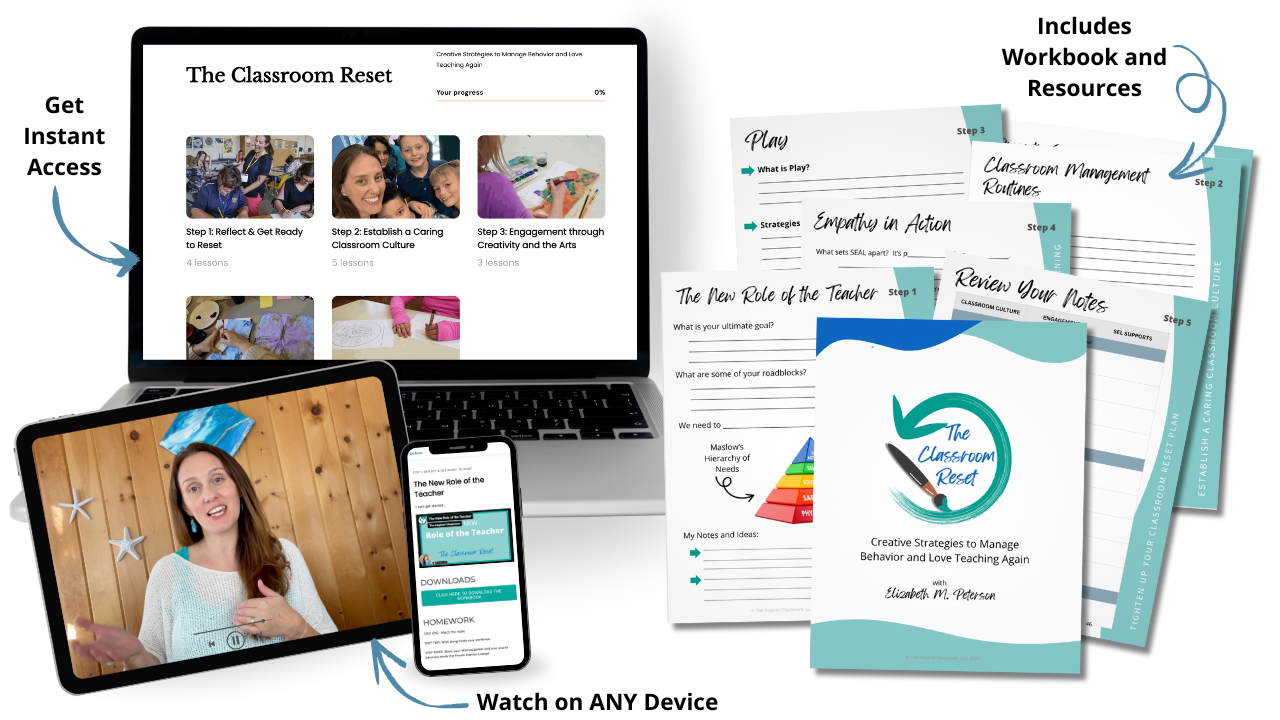
The Classroom Reset
The Classroom Reset is your fresh (RE)start—designed to bring calm, connection, and creativity back to your classroom in just 6 weeks!
This teacher-centered RESET course is designed to help you improve student behavior and take care of your own well-being—without adding more to your plate. Through the proven RESET Framework, you’ll rebuild classroom culture, re-engage students through creative strategies, and strengthen SEL so that teaching feels calm, connected and joyful again! With Personalized 1:1 Support and a group of fellow educators walking alongside you—you’ll finally feel confident, calm, and in control again. This isn’t just another training. It’s a true RESET Experience: for your students, your classroom and YOU.